
CASE STUDY · OBSERVATION IN PRACTICE
When Desperation Walks
Into the Room
The Hidden Leadership Risk No One Talks About
In high-stakes business environments, leaders are often evaluated on strategy, execution, and results. Far less attention is paid to something that can undermine all three in a matter of minutes: emotional regulation.
EMOTIONAL REGULATION
DECISION QUALITY
EXECUTIVE PRESENCE
NEGOTIATION RISK
THE OBSERVATION
A meeting I observed early in my career provided a powerful lesson.
One meeting I observed early in my career provided a powerful lesson on how a leader's emotional state can influence negotiations, decision-making, organizational credibility, and enterprise risk.
What began as a routine business discussion became an unexpected window into what happens when emotional regulation breaks down — in public, at the highest level, with the most to lose.
THE SITUATION
The room and the stakes.
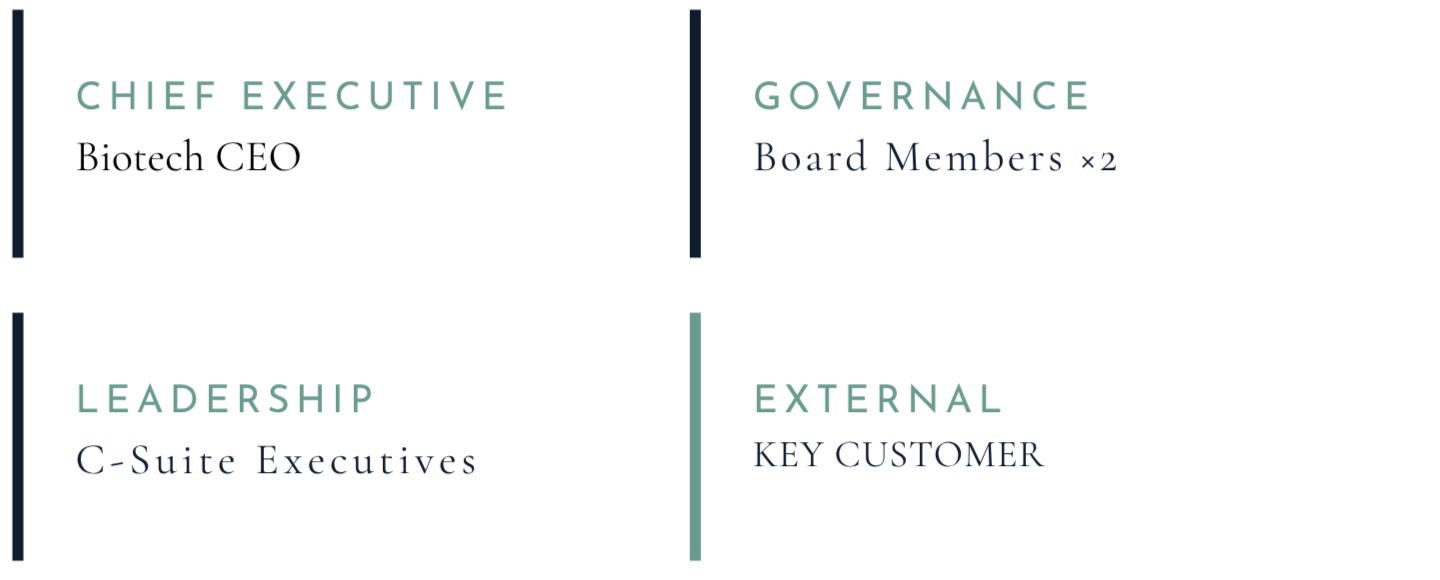
The meeting included a significant cross-section of leadership, board representation, and an external customer — the kind of room where perception shapes everything.
The CEO had been brought into the organization with a clear mandate: position the company for acquisition and successfully sell the business. However, the process was not progressing as expected.
Potential buyers were not engaging at the level anticipated, and the company was struggling to generate the interest leadership believed it deserved.
MEETING PARTICIPANTS

Better leadership starts with better internal awareness.
THE MOMENT
What happened next defined everything.
“Why do you think we aren’t being courted?”
THE CEO — LEANING FORWARD ACROSS THE CONFERENCE TABLE TOWARD THE EXTERNAL CUSTOMER
The customer responded thoughtfully. The CEO asked again. And again. Each time, his tone became more intense. More frustrated. More emotional. More urgent. What started as curiosity evolved into visible desperation.
THE EMOTIONAL ESCALATION IN REAL TIME
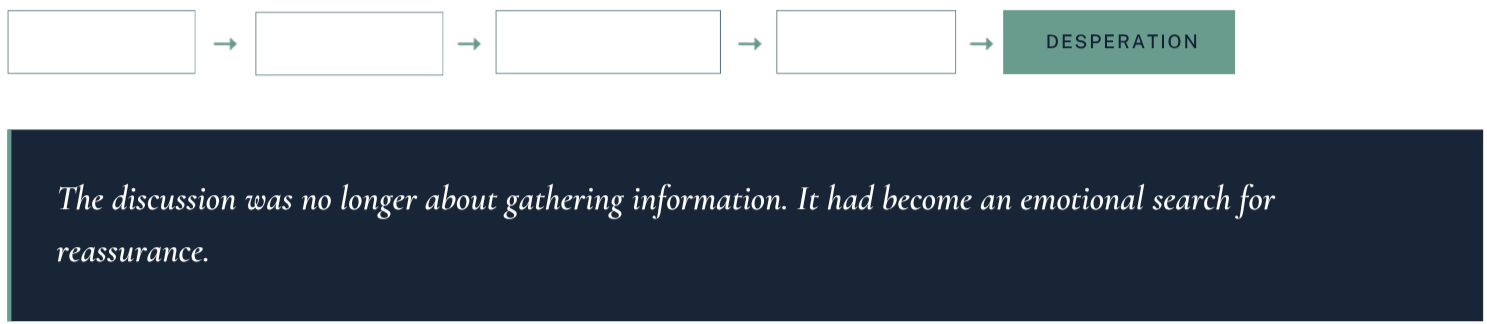
Those associated with the company appeared used to this behavior — acting as if this was business as usual. The customer became increasingly cautious with his responses. As an outside observer — with nothing to gain or lose — I became uncomfortable. Very uncomfortable.
WHAT I WAS OBSERVING
As a neutral observer, what I was actually watching was something different from what the CEO likely believed was happening.
The CEO likely believed he was seeking valuable market intelligence. In real time, the visible signals were not those of a leader gathering strategic information — they were signals of a leader under significant emotional pressure.
Whether fair or not, leaders are continuously transmitting information through verbal and non-verbal cues. In moments of stress, that transmission becomes even louder.
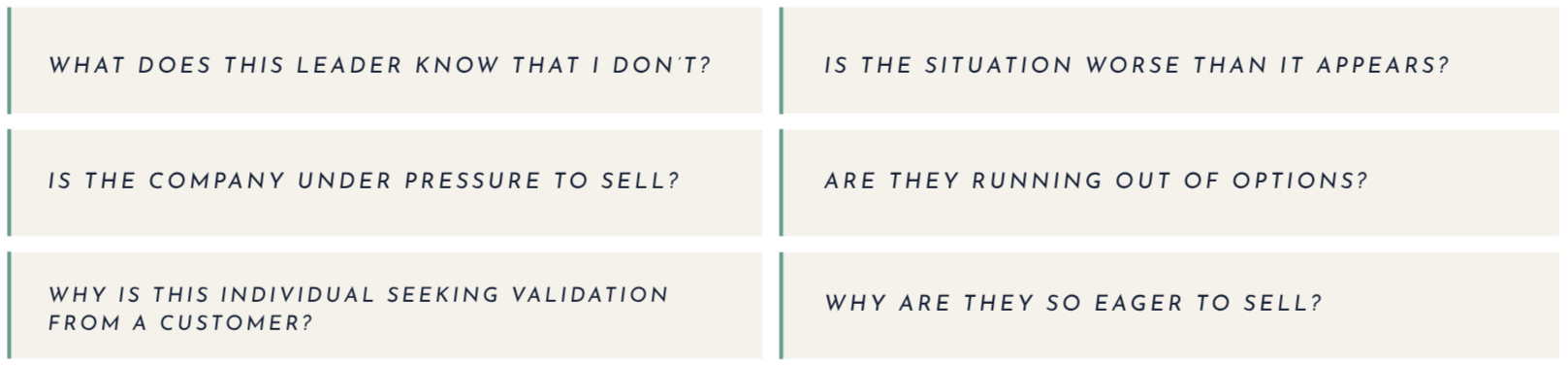
SIGNAL VISIBLE IN THE ROOM

Without saying a word, emotional leakage communicates uncertainty — undermining perceived value and future negotiations.
QUESTION EXTERNAL STAKEHOLDERS MAY BE SILENT ASKING
Better leadership starts
with better internal awareness.
Explore the biological and behavioral conditions shaping leadership performance, decision-making, and leadership under pressure.